


Growing Demand for High-Quality Baby Hygiene Products
The baby care industry continues to expand rapidly as parents around the world seek safer, softer, and more reliable hygiene products for their children. Modern consumers pay close attention to comfort, absorbency, skin protection, and eco-friendly manufacturing standards when selecting baby diapers. Businesses entering this competitive market must work with an experienced and professional diaper supplier capable of delivering consistent product quality and scalable manufacturing solutions. Reliable sourcing not only improves customer satisfaction but also strengthens long-term brand reputation in both local and international markets.
Why Product Quality Matters in the Diaper Industry
Parents expect baby diapers to provide excellent leakage protection while remaining gentle on sensitive skin. Inferior materials can lead to irritation, discomfort, and poor customer reviews, which directly impact a company’s reputation. High-quality diapers are manufactured using breathable fabrics, super absorbent polymers, and hypoallergenic materials designed to keep babies dry for extended periods.
Manufacturers that prioritize strict quality control procedures can better meet global safety standards and customer expectations. Businesses that invest in superior diaper products often experience higher customer retention and stronger word-of-mouth marketing. In today’s digital marketplace, product quality plays a critical role in driving online visibility and repeat purchases.
Choosing the Right Manufacturing Partner
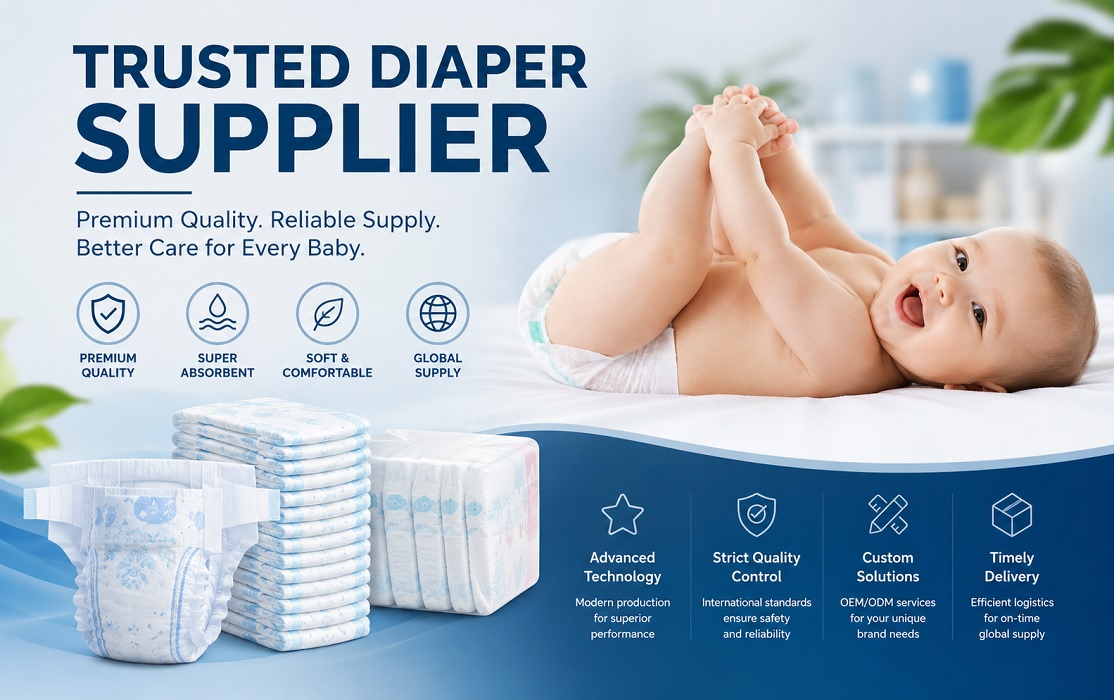
Finding the ideal production partner requires careful evaluation of manufacturing capabilities, certifications, and export experience. A trusted supplier should offer modern production facilities, efficient logistics support, and customizable product solutions for different markets. Companies that provide flexible order quantities and private labeling services are especially attractive to growing brands and wholesalers.
Working with an established supplier also helps businesses reduce operational risks. Professional manufacturers understand international shipping regulations, packaging requirements, and regional consumer preferences. This expertise allows distributors and retailers to focus more on marketing and sales rather than supply chain concerns.
Advanced Technology in Modern Diaper Production
Technology has transformed diaper manufacturing significantly over the past decade. Automated production lines now improve consistency, increase production speed, and minimize contamination risks during manufacturing. Advanced absorbent core technology helps diapers remain thinner while offering better fluid retention and comfort.
Innovative features such as wetness indicators, elastic waistbands, and breathable outer layers have become standard in premium diaper products. These improvements enhance user experience and help brands stand out in a crowded marketplace. Manufacturers investing in modern technology are more capable of producing high-performance products that satisfy evolving consumer expectations.
Private Label Opportunities for Global Brands
Private labeling has become increasingly popular among retailers, distributors, and eCommerce businesses seeking to establish unique product identities. An experienced diaper manufacturer can help businesses create custom packaging, logo designs, and tailored product specifications that align with target market preferences.
Custom diaper solutions allow brands to differentiate themselves while maintaining competitive pricing. Businesses can choose from various diaper sizes, absorbency levels, packaging formats, and material options. This flexibility enables companies to build stronger brand recognition and increase customer loyalty across different demographics.
Importance of Sustainable Manufacturing Practices
Environmental awareness has become a major factor influencing purchasing decisions in the baby care industry. Many parents now seek eco-conscious diaper options that minimize environmental impact without sacrificing performance. Sustainable manufacturing practices include reducing production waste, using responsibly sourced materials, and improving energy efficiency within factories.
Manufacturers adopting environmentally friendly processes can appeal to a broader customer base and strengthen their market position. Eco-friendly initiatives also demonstrate corporate responsibility, which is increasingly important in global trade and brand development. Companies focused on sustainability are more likely to gain long-term trust from environmentally conscious consumers.
Global Export and Supply Chain Efficiency
Efficient logistics and dependable delivery schedules are essential in the hygiene product industry. International distributors rely on manufacturers that can manage large-volume production while ensuring on-time shipment. Delays in diaper supply can disrupt retail operations and negatively impact customer relationships.
An experienced diaper supplier understands the importance of streamlined logistics and effective communication throughout the export process. Reliable shipping coordination, accurate documentation, and responsive customer support contribute significantly to successful international business partnerships. Businesses working with professional exporters often enjoy smoother operations and fewer supply chain disruptions.
Customization Options for Diverse Market Needs
Different countries and regions have varying consumer preferences when it comes to diaper products. Some markets prioritize ultra-thin diapers, while others focus on overnight absorbency or organic materials. Manufacturers offering product customization can help businesses adapt to these changing demands more effectively.
Customization options may include packaging language, diaper thickness, sizing standards, absorbency features, and design patterns. Tailored solutions allow brands to connect more closely with their target audiences and improve overall market competitiveness. Flexible manufacturing capabilities are particularly valuable for companies entering new international markets.
Safety Standards and International Certifications
Global buyers increasingly require manufacturers to comply with international safety and quality certifications. Certifications demonstrate a manufacturer’s commitment to producing reliable and safe hygiene products. Common industry standards often cover material safety, manufacturing hygiene, environmental management, and product testing procedures.
Certified production facilities help businesses build credibility with retailers and consumers alike. Compliance with global standards also facilitates smoother import procedures in many countries. Manufacturers that consistently maintain strict quality assurance systems are more likely to establish strong long-term relationships with international partners.
Expanding Opportunities in the Baby Care Market
The global baby care market continues to show strong growth due to rising birth rates in developing regions and increasing consumer spending on premium baby products. Online shopping platforms have further accelerated industry expansion by making diaper products more accessible to parents worldwide.
Businesses entering this sector can benefit from partnering with manufacturers that understand changing consumer trends and retail dynamics. Innovative packaging, improved product functionality, and targeted marketing strategies all contribute to increased sales performance. Companies capable of adapting quickly to market demands are more likely to succeed in the competitive baby care industry.
Building Brand Trust through Reliable Products
Customer trust is one of the most valuable assets in the diaper business. Parents consistently choose brands that provide dependable performance and maintain high product standards. Even minor quality issues can significantly damage a brand’s reputation in today’s highly connected digital marketplace.
Reliable manufacturing partners help businesses maintain consistency across every production batch. Strong quality control systems reduce defects and ensure products meet customer expectations every time. Positive customer experiences often lead to repeat purchases, favorable reviews, and long-term brand loyalty.
ECommerce Growth and Online Diaper Sales
The rise of eCommerce has transformed the way consumers purchase baby products. Parents now prefer the convenience of ordering diapers online through marketplaces, brand websites, and subscription services. This shift has created significant opportunities for diaper brands seeking to expand their online presence.
A dependable diaper supplier can support eCommerce growth by providing flexible packaging solutions, fast production timelines, and scalable inventory support. Efficient supply management is essential for maintaining stock availability and meeting customer expectations in online retail environments. Businesses that optimize their online operations can achieve substantial growth in both domestic and international markets.
Importance of Research and Product Innovation
Continuous product development is essential for maintaining competitiveness in the baby hygiene sector. Manufacturers investing in research and development can create diapers with improved comfort, absorbency, and skin protection. Innovations in material science continue to improve diaper performance while reducing bulkiness and enhancing breathability.
Consumer feedback also plays a crucial role in product improvement. Companies that actively monitor customer preferences and industry trends are better positioned to introduce successful new products. Innovation not only strengthens brand reputation but also helps businesses capture emerging market opportunities.
Strengthening Wholesale and Distribution Networks
Strong distribution partnerships are critical for expanding market reach and increasing product availability. Reliable wholesalers and distributors help brands penetrate regional markets more effectively while improving customer access to products. Manufacturers with extensive export experience often provide valuable support in developing distribution strategies.
Efficient wholesale operations depend on consistent inventory management, competitive pricing, and dependable shipping schedules. Businesses that establish strong supplier relationships can improve operational efficiency and achieve sustainable long-term growth in competitive markets.
Future Trends Shaping the Diaper Industry
The diaper industry is expected to continue evolving through technological advancements, sustainability initiatives, and changing consumer lifestyles. Smart manufacturing systems, biodegradable materials, and enhanced product designs are likely to shape the future of baby hygiene products.
As consumer expectations continue to rise, businesses must prioritize quality, innovation, and customer satisfaction to remain competitive. Companies partnering with experienced manufacturers can better navigate market changes while maintaining strong product performance and reliable supply chain operations. The future of the baby care industry will belong to brands that consistently deliver safe, comfortable, and innovative diaper solutions for families worldwide.